ISO45001:2018
INTRODUCTION TO ISO 45001:2018
Recent trends in organisation show a concerning rise in workplace accidents and incidents, signalling that our current approach to managing health, safety, and well-being (HSW) is no longer adequate. Existing processes operate in silos, lack consistency, and are not sufficiently integrated to address risks proactively, meet legislative obligations, or support a strong safety culture. These gaps highlight the need for a more systematic and unified approach to occupational health and safety.
This report examines the AS/NZS ISO 45001:2018 standard and outlines how an integrated Occupational Health and Safety Management System (OHSMS) can strengthen organisational performance. It explains the purpose and structure of ISO 45001, demonstrates how an integrated system enhances risk management, and presents evidence from New Zealand and international research to illustrate the operational, financial, and reputational benefits of implementation. The report also addresses common stakeholder concerns by showing how integrated systems reduce incidents, improve compliance, and contribute to a more resilient and productive workplace.
1. Overview of AS/NZS ISO 45001:2018
AS/NZS ISO 45001:2018 is the globally recognised standard for occupational health and safety management systems. It provides a structured framework designed to prevent work-related injuries, illnesses, and fatalities by emphasising hazard identification, risk control, and continual improvement (International Organization for Standardization, 2018). Its core objectives include preventing harm, promoting worker well-being, ensuring compliance with the Health and Safety at Work Act 2015 (HSWA), and embedding measurable, ongoing improvement.
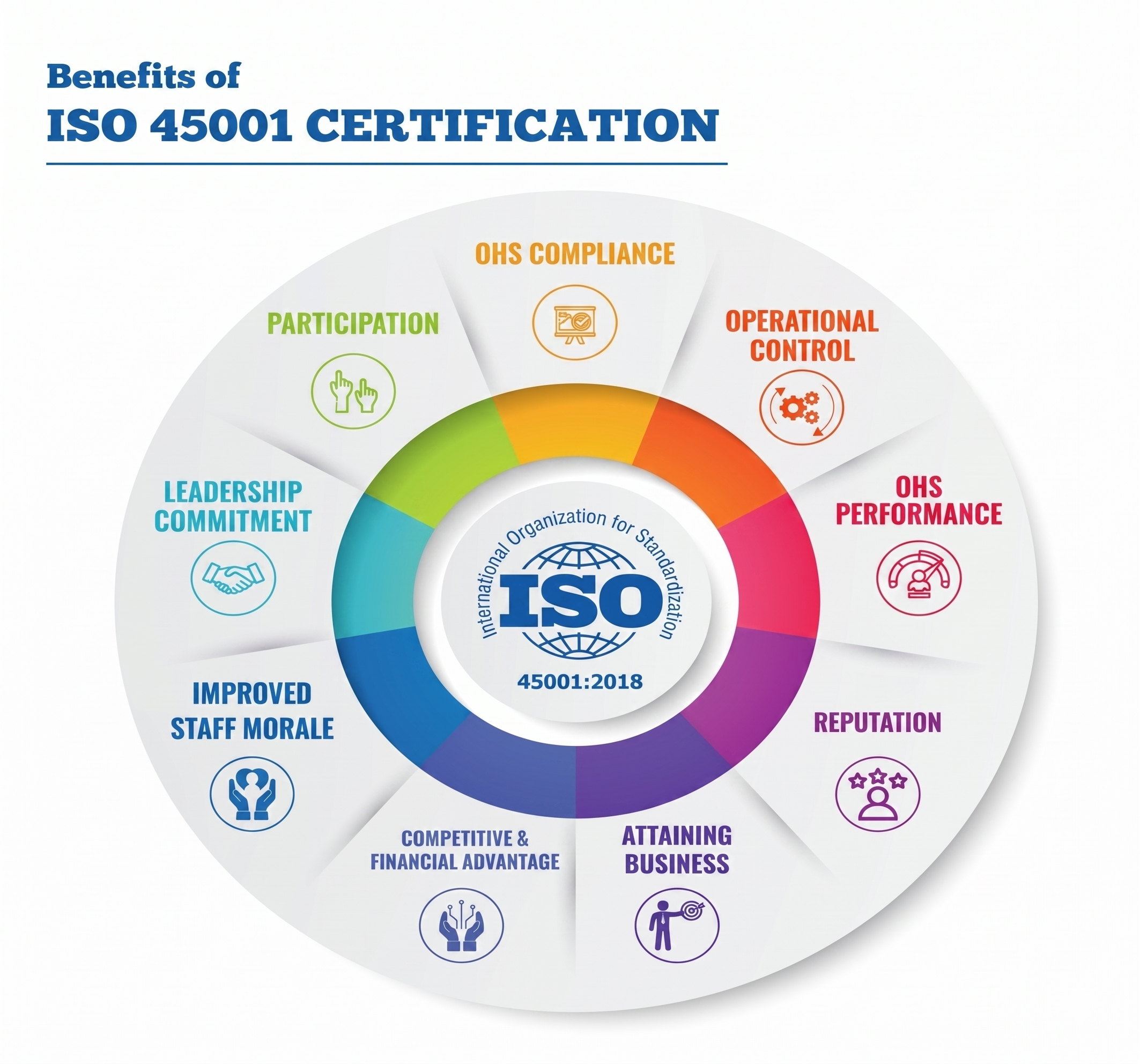
The standard is built around the Plan–Do–Check–Act (PDCA) cycle and incorporates leadership commitment, worker participation, systematic risk assessment, operational controls, performance evaluation, and continuous improvement (British Standards Institution, 2020).
2. Role and Purpose of an Integrated OHSMS
An integrated OHSMS consolidates all HSW functions into a single, coherent framework. Instead of managing safety, well-being, and environmental risks separately, integration ensures consistency across policies, procedures, and responsibilities (Peters & Turner, 2020). This approach supports holistic risk management by addressing both physical and psychosocial hazards, reduces duplication of effort, and improves efficiency.
Evidence from New Zealand demonstrates the value of integration. Fletcher Construction, for example, aligned ISO 45001 with its environmental and quality systems and achieved a 27% reduction in incident rates within two years, alongside improved stakeholder confidence (WorkSafe New Zealand, 2023).
3. Systematic Risk Reduction via ISO 45001
Implementing ISO 45001 shifts organisations toward proactive, data-driven risk management. Regular inspections, task-specific assessments, and trend analysis help identify emerging risks before they result in harm (Safe Work Australia, 2022). Empowering workers to report hazards and contribute to solutions strengthens ownership and enhances the organisation's psychosocial safety climate (Dollard & Bailey, 2019).
4. Benefits of an Integrated OHSMS
An integrated OHSMS delivers benefits across all stakeholder groups. Workers experience safer environments and higher engagement; management benefits from reduced absenteeism, fewer disruptions, and lower injury-related costs; and clients and investors gain confidence in the organisation's capability and professionalism.
Financially, the case is strong. The Health and Safety Executive (2021) reports potential savings of up to 40% on injury-related costs, while Safe Work Australia (2022) estimates a return of $4.41 for every dollar invested in safety. Integration also strengthens compliance with HSWA 2015, reducing the risk of penalties that can reach NZ$500,000.
5. Addressing Stakeholder Resistance
Although some stakeholders may believe the current system is "good enough," evidence from comparable organisations suggests otherwise. New Zealand businesses adopting ISO 45001 have achieved 20–30% reductions in serious harm incidents within two years (WorkSafe New Zealand, 2023). Certification is increasingly required for government and corporate procurement, making it a competitive necessity. Beyond compliance, integrated systems foster trust, collaboration, and accountability—key elements of a strong safety culture.
Conclusion
Implementing AS/NZS ISO 45001:2018 is not merely a compliance exercise; it is a strategic investment in organisational resilience, productivity, and worker well-being. By integrating HSW systems, organisations can reduce incidents, strengthen legal compliance, enhance stakeholder confidence, and position themselves as leaders in occupational health and safety.
THE PDCA CYCLE
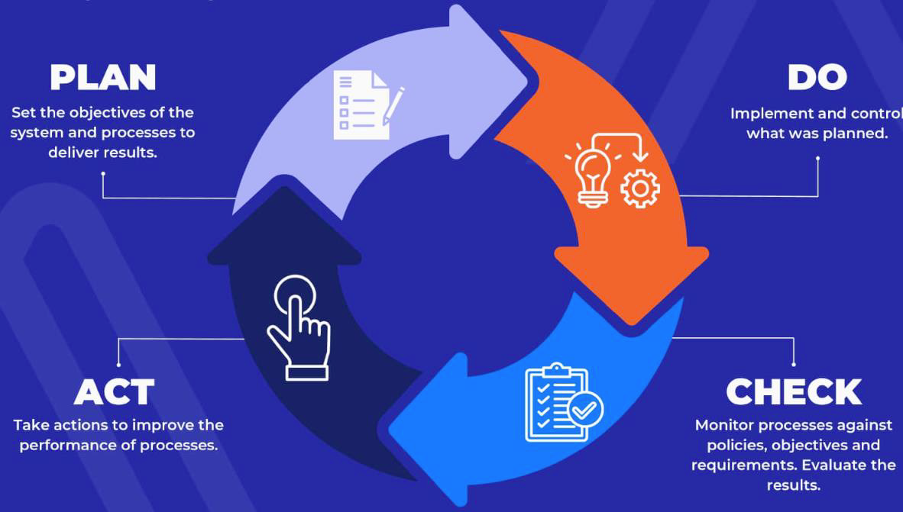
The PDCA cycle is central to the ISO45001:2018 Standard and is used as a key tool across Quality, Environmental and Occupational Health and Safety management systems
COLLABORATING FOR WORKPLACE SAFETY
The employer need to emphasize to balance OHSMS approach in achieving its objective to protect workers - one that values partnerships and strong compliance assistance as essential strategies alongside traditional enforcement. We will highlight the importance of building partnerships to advance worker safety and health.
This includes:
- - Working more closely with small businesses
- - Listening to your stakeholders
- - Building greater collaboration
- - Increasing the use of compliance assistance
ISO 45001:2018 CASE STUDY
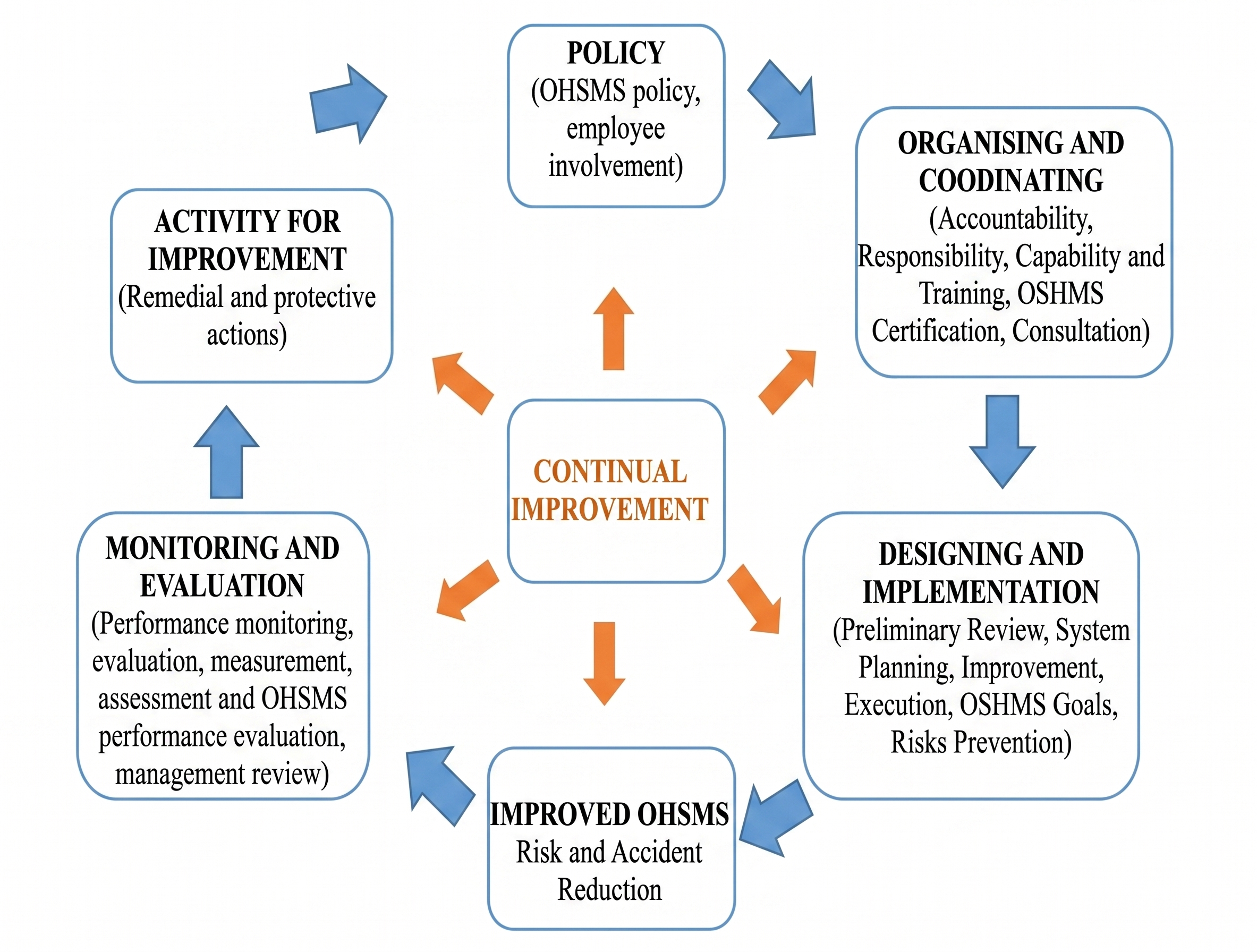
Discover how organizations have successfully implemented ISO 45001:2018 to transform their safety culture and achieve measurable results. Our detailed case study demonstrates real-world applications, challenges overcome, and the tangible benefits of adopting an integrated Occupational Health and Safety Management System.
THE COST OF IGNORING SAFETY
With the right safety measures in place, accident such as falls can be prevented. Employers can take steps such as providing proper fall protection equipment, ensuring walking and working surfaces are maintained and free from hazards, installing guardrails, and training workers on how to recognize and avoid fall risks.
Ignoring safety not only leads to human suffering and loss of life, but also results in significant financial and reputational costs for organisations. By prioritising safety and implementing robust OHSMS like ISO 45001, businesses can prevent incidents, protect their workforce, and maintain a competitive advantage in the market.